Why 'Boring' Content Is Working Right Now
The part of your work that feels routine may be new to your customer. A close look at a product, a step in the process, or the reason behind a choice can give them something useful to watch.
That is what I mean by “boring” content here. It is familiar to the person making it. The customer may still need to see it.
Current September social media reporting includes everyday wins and habit-rating formats. Those trends give ordinary details a place in the feed. They do not prove that every plain post will beat a polished one.
I would judge the detail by what it helps a customer understand. Then I would choose the production that shows it well.
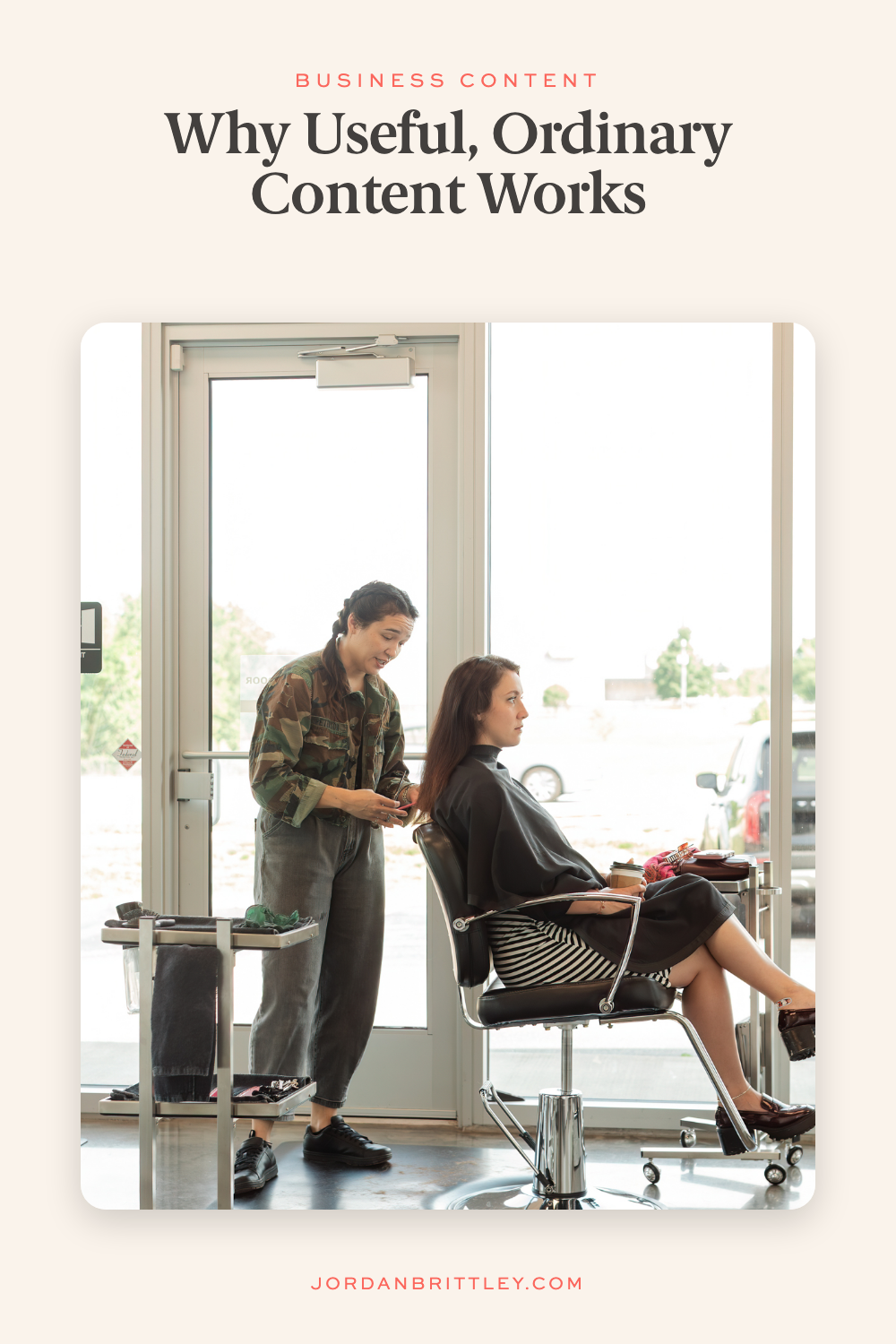
Familiar work can answer a new question
You know what is inside the package. You know why you use that material. You know which step happens before a client arrives. A person finding your business for the first time may know none of those things.
A useful post makes one of those details clear. It can show the whole package, explain the choice of material, or walk through the first part of a visit.
The value comes from the answer. A short caption that names what the viewer is seeing can help the photo or video do its job.
This is also why I plan personal brand photos around their use. The work already gives us subjects. The strategy helps us decide which subjects matter to a customer.
Show a choice along with the action
A clip of work can hold attention. An explanation can help someone understand the skill behind it.
Choose a real decision you can explain. What are you checking? Why does that step happen now? What changes when the material or request changes?
Keep the answer narrow. You do not have to fit the full process into one post. A clear view of one useful step gives the viewer a way to follow your thinking.
Sprout Social's behind-the-scenes guide includes people, production, and everyday work among its examples. The common thread is access to something a customer would not usually see. My next question is what that access helps them learn about the business.
Let people hear a real point of view
Personality can come through in how you explain the work. The detail you notice, the words you use, and the reason you care can make the post feel like it came from you.
Start with something you can stand behind. Explain a choice you made or a question you can answer from your work. If you are trying an idea for the first time, say that it is a test.
You can keep private parts of your life private. A useful business post can show your thinking without sharing a client story, a family detail, or a day you would rather keep to yourself.
When a person appears in a photo or video, use the right permission. Check the background for private screens, paperwork, and customer details before you share it.
Keep the production clear enough to help
Useful content still needs care. The viewer needs to see the detail, hear the explanation, and read the text. A product needs to look like the product the customer will receive.
Professional photo and video work can make those details clearer. Lighting, framing, sound, and editing all affect what the viewer can follow. The amount of production should fit the job.
A homepage image may need room for a headline and a crop that works on a phone. A process video may need close views and clean sound. A quick update may need one well-chosen frame and a clear sentence.
The plan behind branding photos still matters when the subject is ordinary. You are choosing what to show and why it deserves the customer's time.
Test the question your post answers
Choose one customer question you hear often. Make a post that answers it with a real image or clip. Keep a note of what you wanted that post to do before you share it.
If the goal is to explain a service, look for useful follow-up questions and signs that people understood the next step. If the goal is to help people find an offer, look at visits to the relevant page and enquiries about that offer.
Reach and saves can add context. They cannot tell you on their own whether someone became a customer. One strong post also does not prove that its format caused the result.
Look across several related posts and compare the response with what you usually see. Note the topic, the audience, and the offer as well as the format. Those details help you decide what to keep testing.
Make room for the work you already do
Your content marketing plan can include clear product photos, planned campaigns, and ordinary work in progress. Each has a job.
For your next post, choose a detail you explain to customers in person. Show the part they need to see and add the reason it matters. You already have a useful place to begin.
Ordinary content works when it looks like someone cares about it. Brand photo and video sessions give the everyday posts real images, so consistent does not have to mean forgettable.
You Might Also Like
Run content marketing when it is just you
Decide what to post when nothing comes to mind