Life & Business
If you're looking for creative inspiration away from screens, start with something you can hold or see in front of you. A magazine, a familiar room, or a blank page can give you a place to begin.
I've written before about changing my approach to a shoot when I want a fresh view. For a shoot at The Well, I tried a darker look and took a photo from the entrance to show how a customer would see the space. Changing where I stood gave that photo a reason to exist.
You can bring that same curiosity to whatever you want to make. Start with one detail that catches your eye. Then give yourself room to try something with it.

Find creative inspiration away from screens with a printed page
Open a magazine, a book you already own, or something from the library. Choose a subject you want to spend time with. Gardens, rooms, food, travel, and art all give you different things to notice.

When a page makes you pause, look at what held your attention. It might be two colors beside each other. It might be the space around a small photo or the way a story starts. Naming that detail gives you something you can explore in your own work.
For example, a room photo might make you want to try deep green beside cream on a painted card. A line in an essay might lead you to write about a memory of your own. Keep a note of the source if you want to return to it. Let the detail lead you toward your own idea.
Look at a familiar place from another spot
Move to the other side of a room. Sit near a window. Look at the same object from above, then from its side. Notice what changes when you change where you stand.
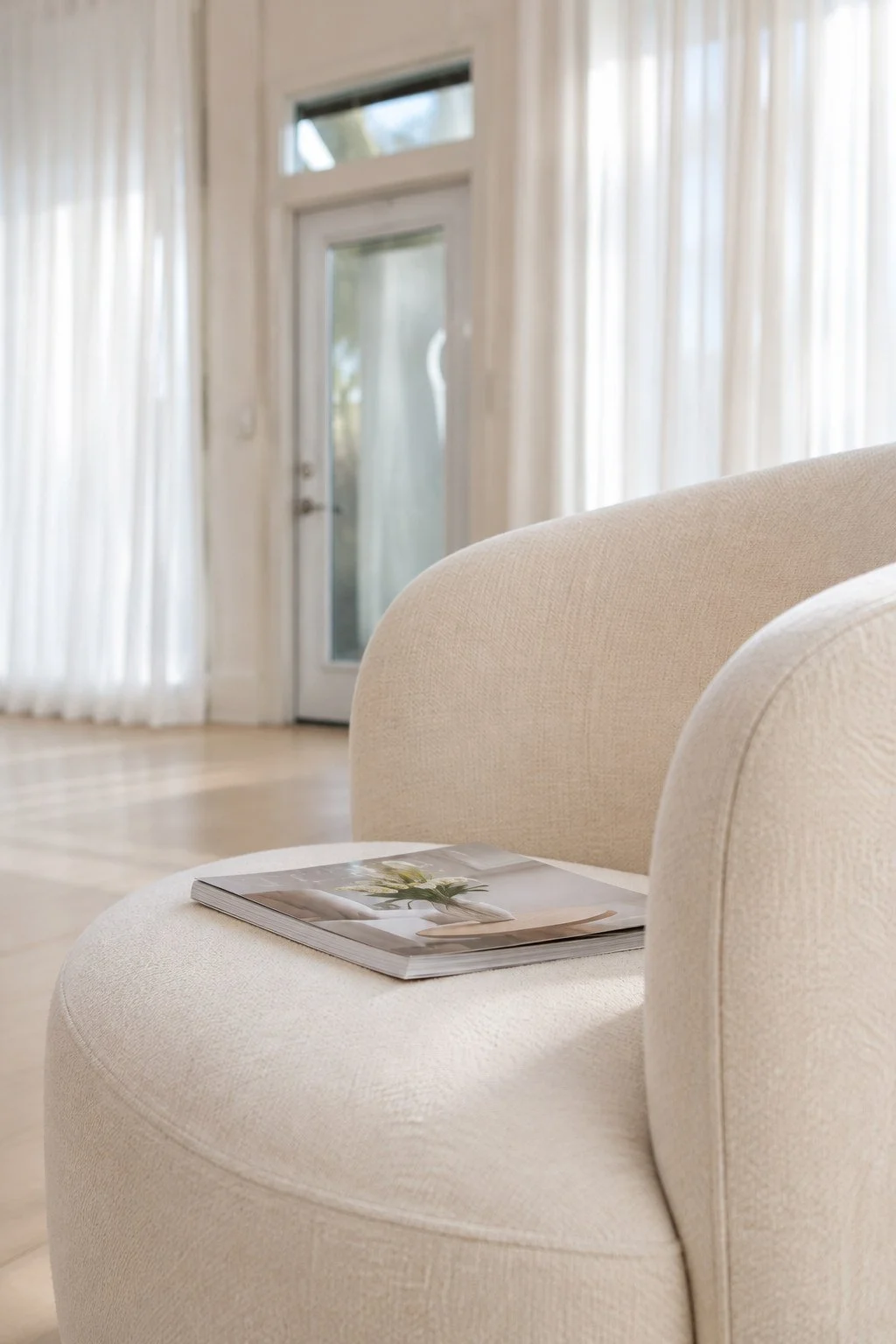
If you feel like walking, take a familiar route and pay attention to one thing along the way. You could look for curved shapes, shades of blue, or places where light meets shadow. Staying in one spot works, too. A windowsill or a shelf can hold plenty to look at.
A Stanford study on walking and creative thinking found that people came up with more possible ideas while walking than while sitting. That finding applied to idea-making tasks. It doesn't promise that a walk will solve a specific problem, but it gives you a reason to try a change of pace.
Put what you notice on paper
If you want to keep a detail, write a few words about it or draw its rough shape. Use whatever paper is nearby. The note only needs enough detail for you to know what caught your eye when you come back to it.

You might write, “Cream beside warm brown,” or sketch the curve of a chair arm. If a whole scene feels hard to draw, follow one edge with your pencil. Leave the rest of the page open.
The National Gallery of Art's drawing prompts include following shapes with your eyes and drawing views with basic forms. The prompts focus on looking and trying. You can use that approach with a cup, a plant, or a view through your window. The first marks can stay rough.
Try one part of the idea
Once something interests you, give it a small first version. Write the first few lines of a story. Try the colors on a scrap of paper. Move a few objects around to see how their shapes fit together.

Then take a look at what you made. Which part do you want to keep? What would you like to try next? You have something of your own to respond to now, even if it's still a rough start.
Some ideas may grow into work you want to share. Others can stay in your notebook because you enjoyed making them. I've written more about having a life outside the business, and I still want to leave room for that. Every interest doesn't need a job.
If an idea does grow into a photo or video project, those early notes can help you share what you have in mind when we plan the work. A rough sketch or a few words can start the conversation.
Start with what you already have
You can begin with the book on your shelf or the pencil in your drawer. These questions can help you choose a starting point that fits today.
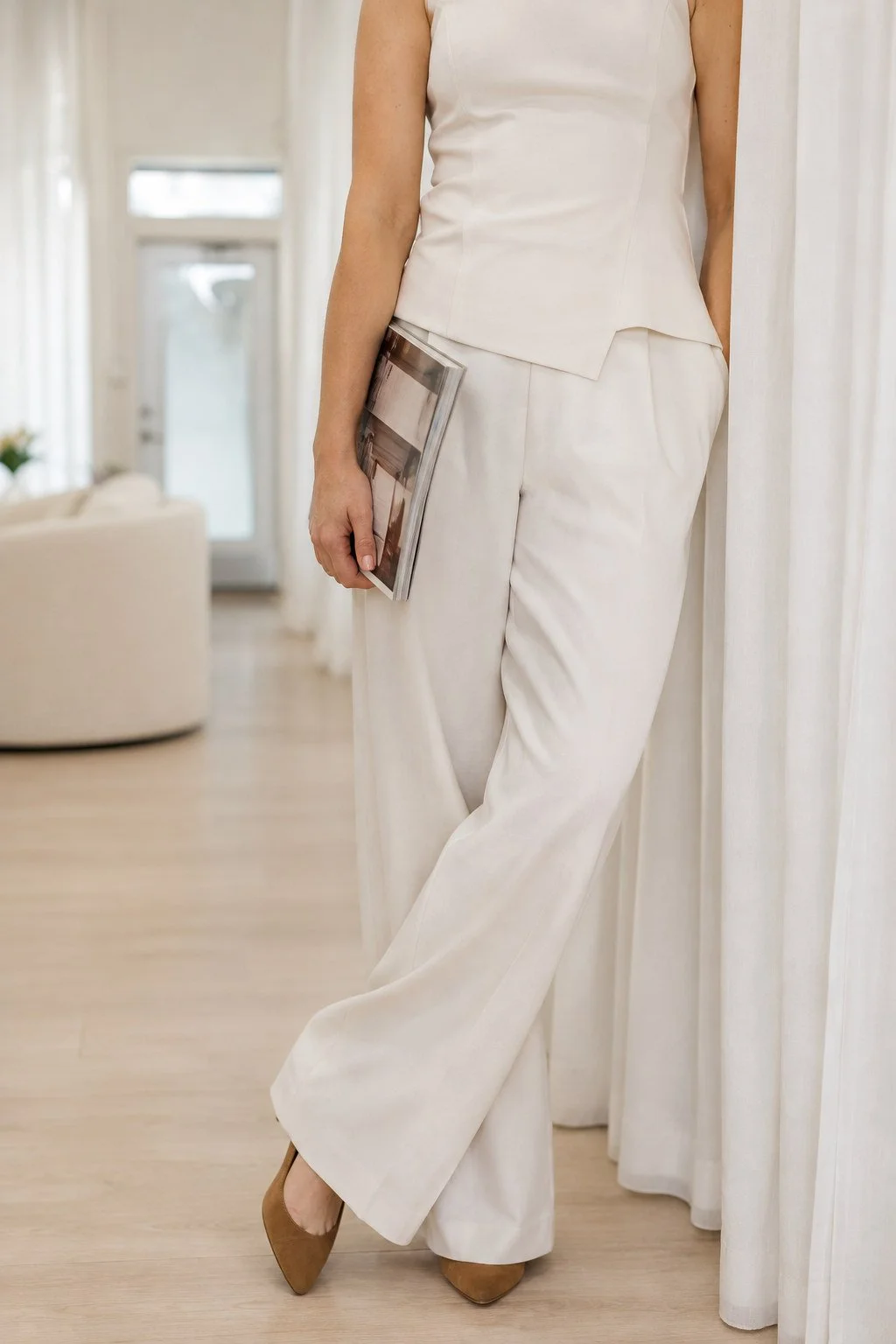
Where can I find inspiration without social media?
Try a printed book, a magazine, a nearby place, or an object you use each day. Choose something you want to look at more closely. A library can give you more subjects to explore without buying anything.
What if I look around and still have no ideas?
Spend time with something you enjoy and leave the result open. You can read a chapter, look at a few pages, or draw a line without deciding where it has to lead. When something does catch your eye, follow it as far as you want.
Don't stop starting.
You might also like
Making room for life outside your business
Trying a fresh perspective in your creative work