Amazon Listing Photo Must-Haves
Here’s a practical guide to the photo types every Amazon seller needs to build a listing.

Most shoppers on Amazon decide whether to buy before they read a single word of your listing. They scan the images, swipe through the gallery, and move on in seconds. That means your photo set is doing more work than any other part of your listing (other than video) and getting it right matters.
Each photo type serves a specific purpose. Some build trust, some answer questions, some help shoppers picture themselves using the product. When all of them work together, your listing becomes a lot harder to scroll past.
Here is a breakdown of the photo types your Amazon listing should include and what each one does for you.
We need more visibility on your listing and the first place to start with this is…
1. White Background Images
Amazon requires your main image to show the product on a pure white background with no additional text, graphics, or props. This is called the hero image, and it is the first thing shoppers see in search results. A clean, high-resolution hero image sets the tone for the entire listing.
Beyond the main image, white background photos are used throughout your gallery to show the product clearly from multiple angles.
Ideally we want to capture the front, back, sides, top, bottom. Shoppers cannot pick the product up and examine it in person, so your white background images need to cover the most important view.
Have a gallery of images that includes different white background photos helps you create your strongest listing.
This set of images also gives you flexibility. White background shots are clean and professional, easy to repurpose across other platforms, and serve as the foundation the rest of your gallery builds on.
2. Alternate Angle Shots
These are still clean, well-lit shots, but depending on the products needs and scope of project can go beyond the primary view to show depth, texture, hardware, labels, openings, or any other details that matter to the buyer. If your product has a back panel with important information, it’s good to show it. If there are buttons, ports, or closures, we want to show those too.
Alternate angle shots reduce uncertainty, and uncertainty is one of the main reasons shoppers leave a listing without buying.
3. Lifestyle Images
Lifestyle images show your product being used in a real setting by real people. They help shoppers connect emotionally with the product and picture it fitting into their own life, which is a big part of what drives purchasing decisions.

Lifestyle images are gold. Real currency in your listing.
A well-executed lifestyle image communicates who the product is for, what kind of experience it creates, and how it fits into a specific moment or environment. A portable speaker on a picnic blanket, a skincare product on a clean bathroom shelf, a kitchen tool being used mid-cook. The context does a lot of the storytelling.
Lifestyle images are also some of the most versatile assets you can have.
They work on Amazon, but they are equally valuable on your website, in email campaigns, on social media, and in paid ads. Investing in strong lifestyle photography pays off well beyond your listing.
4. Size & Scale Images
Infographics communicate product details visually, without requiring shoppers to read through your bullet points. Key features, materials, dimensions, and specifications can all be presented clearly in an image format that is easy to scan.

Size and scale photos are a natural extension of this. One of the most common reasons for returns on Amazon is that the product was a different size than the customer expected.
A photo that shows the product next to a familiar object, or with dimensions clearly labeled, removes that uncertainty before it becomes a problem.
These images work best when they are clean and easy to read. The goal is to make key information immediately clear, not to pack in as much detail as possible. Design plays a real role here, and getting the layout right makes a noticeable difference in how these images perform.
Pro Tip: Infographic design is typically handled by your creative or design team. Providing them with accurate specs, clear priorities, and approved brand guidelines upfront will save a lot of revision time.
5. Benefit-Focused Images
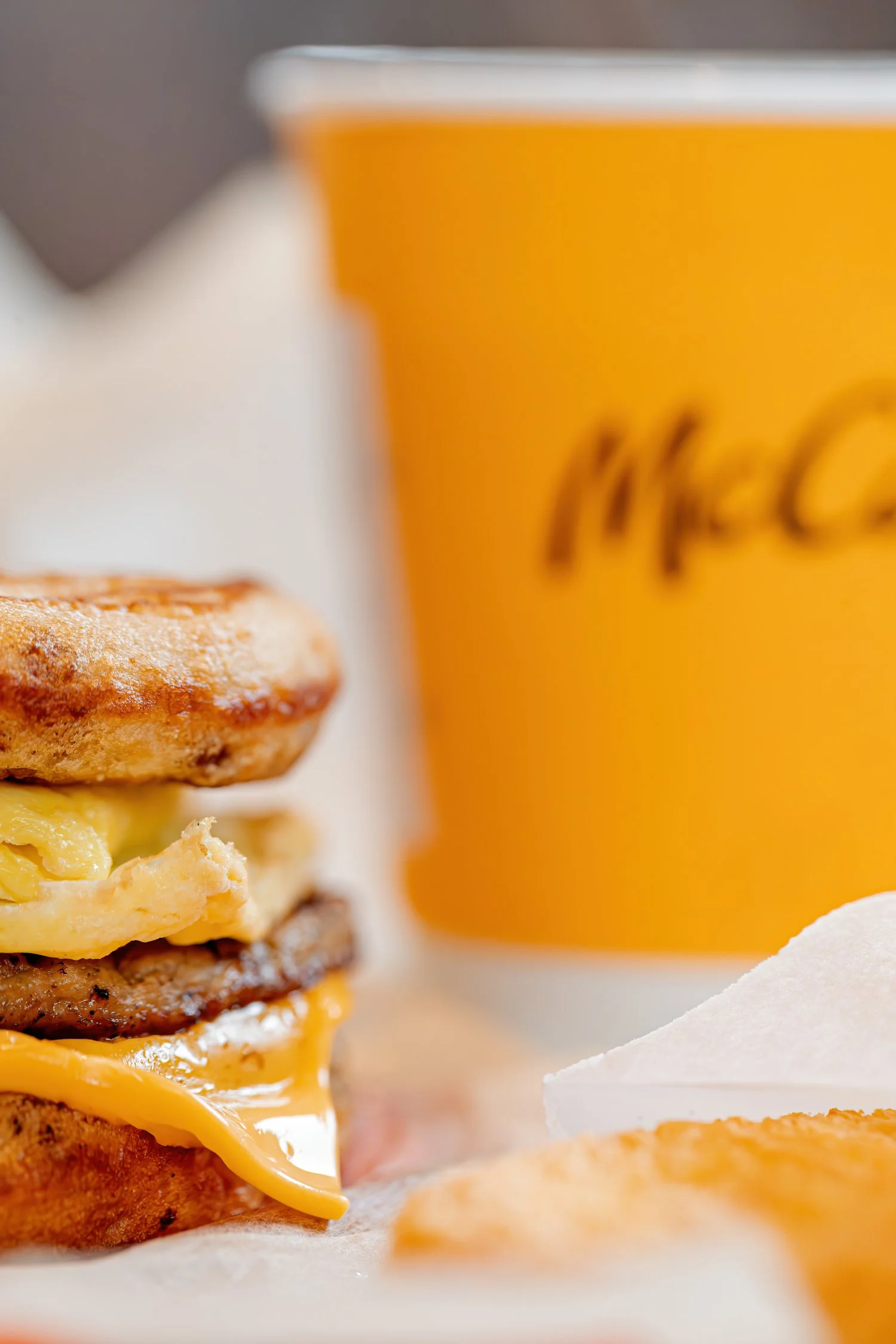
Benefit-focused images highlight specific aspects of your product that matter most to buyers. Where infographics tend to cover features and specs broadly, benefit-focused images focus on what makes the product worth buying.
This might mean a close-up of a material that shows quality, a shot that demonstrates a specific function in action, or a side-by-side that shows a before and after result. The goal is to visually communicate value in a way that feels concrete and easy to understand.
These images are especially useful for products where the quality or performance is not immediately obvious from a standard product shot. They give shoppers a reason to feel confident in the purchase before they have ever held the item.
Putting It All Together
Amazon gives you a certain number of image slots depending on your listing. Each one is an opportunity to answer a question, show the benefits and features of your product, or help a shopper see why your product fits what they are looking for. A complete, well-thought-out photo set covers the full range: clean product shots, real-world context, clear information, and specific value.
Sellers who put care into their photo set tend to see it in their conversion rates. The photos we provide are built around this framework, so every slot in your gallery is working as hard as it can.